Labour Mismatch Index for Quebec
Fabian Lange, Brennan McLachlan, and Markus Poschke
This project explores the extent of mismatch between job seekers and vacancies in Quebec. Mismatch may occur when those seeking jobs are concentrated in segments of the labour market—e.g. industries—with low job-finding probabilities. Job-finding probabilities might be low in some segments because employers open few positions or because it is difficult to match employers and employees in those segments. Mismatch reduces the job-finding rate and increases unemployment.
The figures below are automatically updated as Statistics Canada releases employment data via the Labour Force Survey (LFS, Table 14-10-0022-01) and vacancy data via the Job Vacancy and Wage Survey (JVWS, Table 14-10-0442-01).
Following the methodology of Sahin et al. (2014), Figure 1 shows a mismatch index for Quebec overlaid with a 6-month moving average to smooth short-term fluctuations. Figure 2 shows the same calculation for Ontario to compare the two provinces. Figure 3 decomposes the Quebec mismatch index into industry contributions for five selected industries.
The mismatch index is a single value quantifying the discrepancy between the actual and ideal distribution of job seekers across sectors. It measures the fraction by which actual hires fall short of the maximum achievable if job seekers were perfectly allocated across industries to maximize the job-finding rate. A higher value indicates greater mismatch and more lost hires. The index is influenced by both the imbalance between job seekers and vacancies in an industry and the efficiency of the matching technology (frictions) in that industry's labour market.
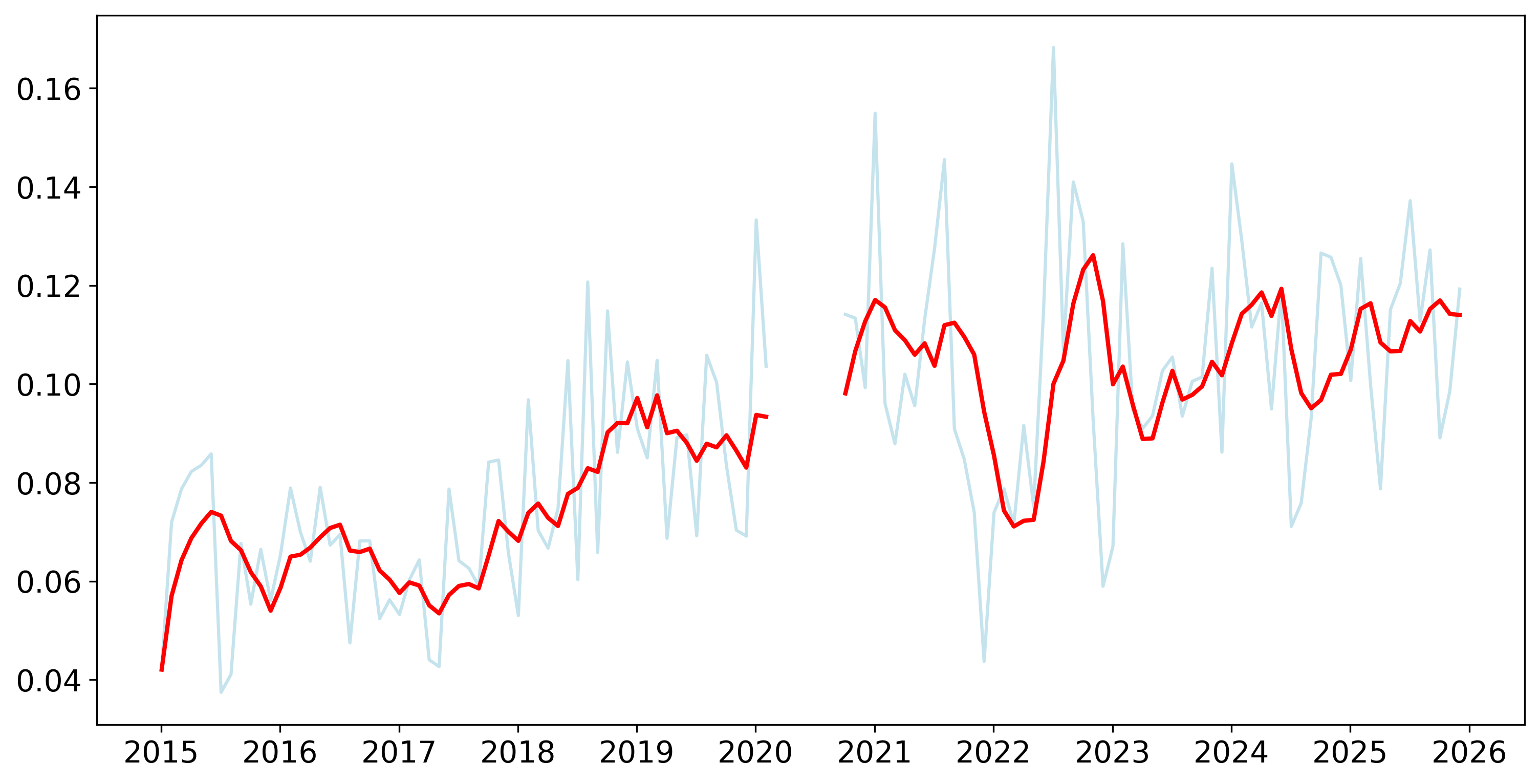
Figure 1: Mismatch index for Quebec.
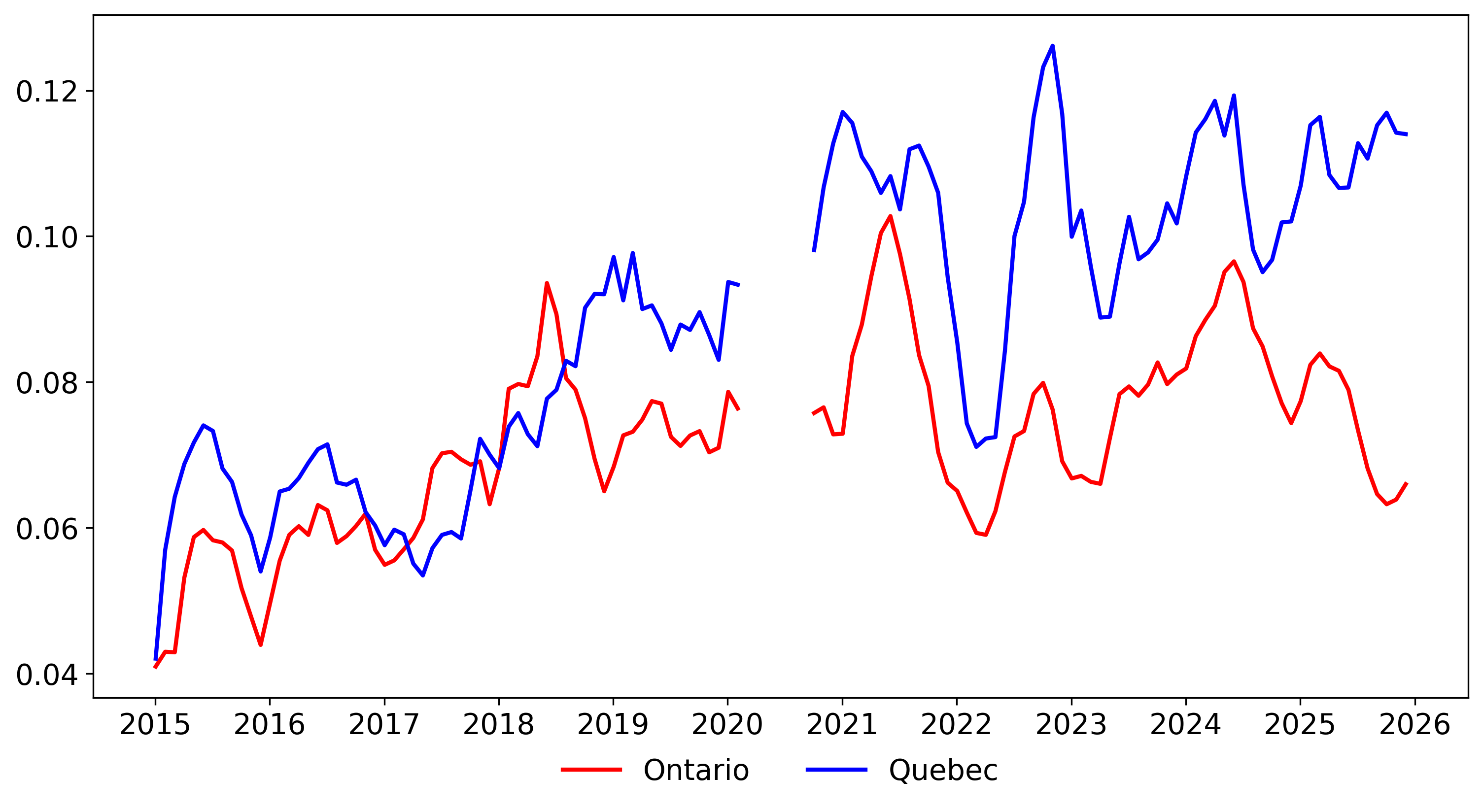
Figure 2: Mismatch in Quebec and Ontario.
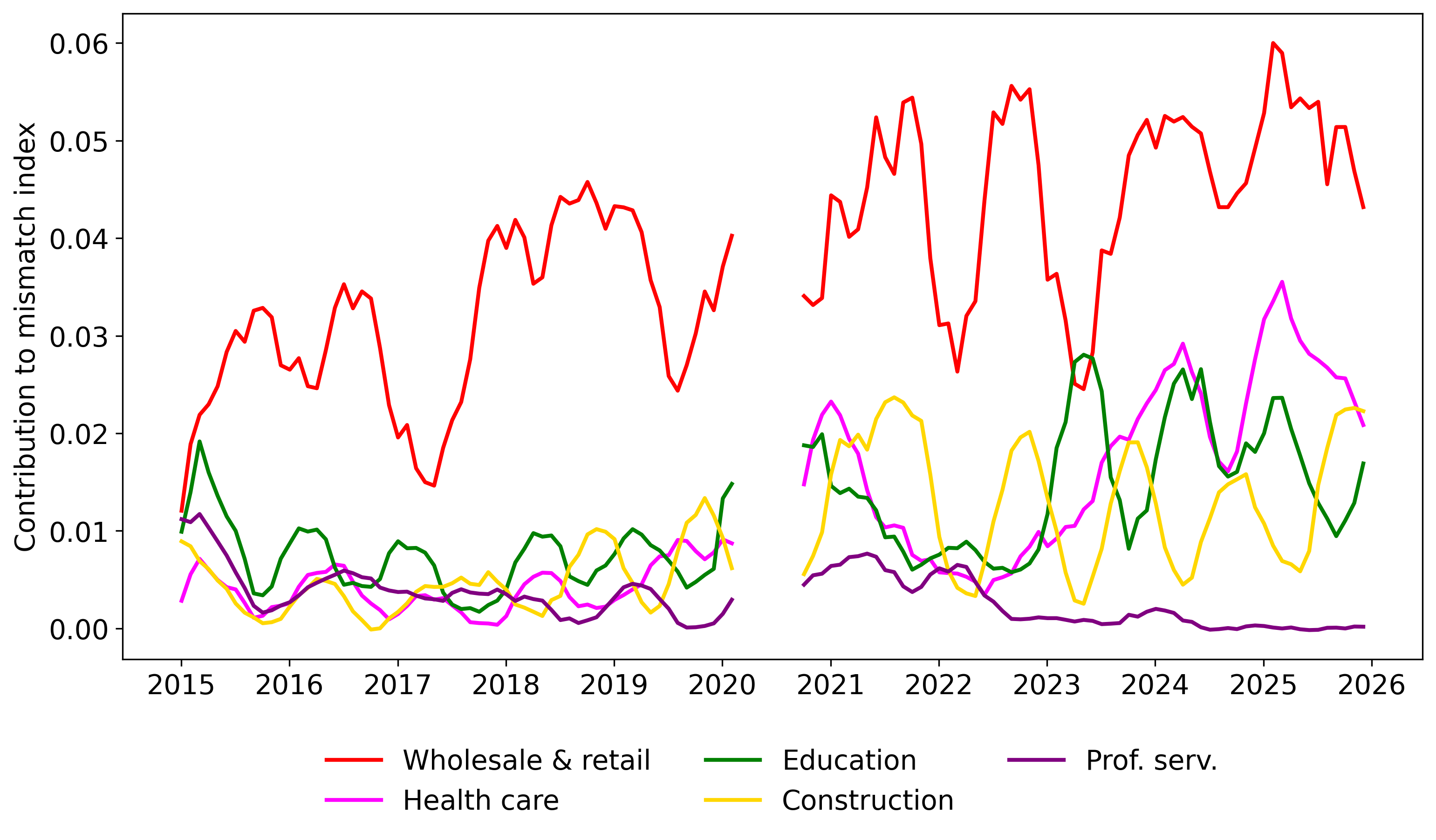
Figure 3: Industry decomposition of Quebec mismatch.
For detailed methodology and complete results, see the full report. For source code and data processing scripts, see the GitHub repository.
Latest available vacancies data: Loading...
Latest available unemployment data: Loading...